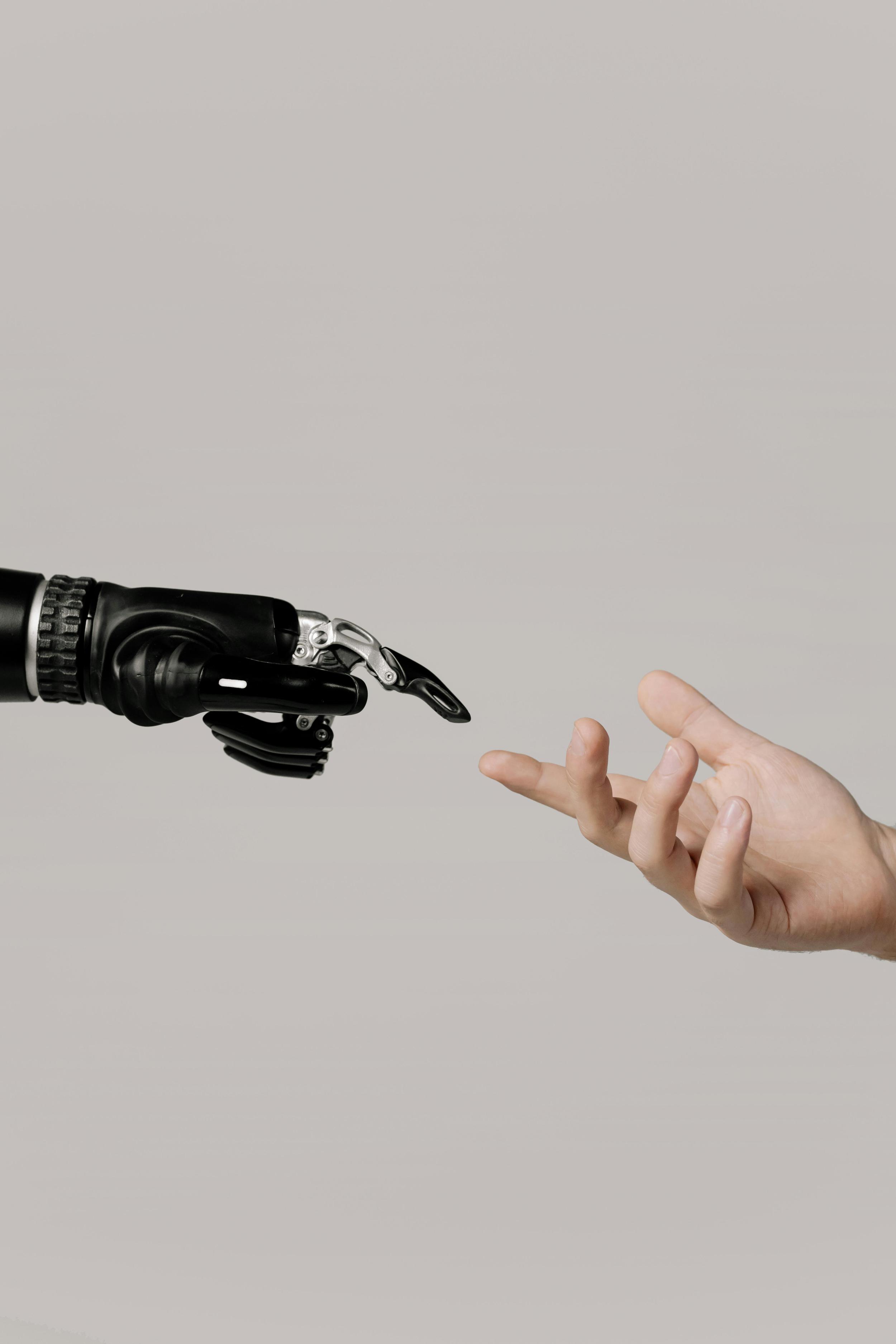
In the rapidly evolving landscape of modern work, artificial intelligence (AI) stands as a transformative force, reshaping industries and redefining career paths. This technological revolution is creating a paradigm shift in the job market, simultaneously opening new doors of opportunity and closing others. As AI systems become increasingly sophisticated, they are not only augmenting human capabilities but also challenging traditional roles across various sectors. This article delves into the dual impact of AI on careers, exploring how it is both creating and destroying job opportunities, and what this means for the future of work. Understanding these dynamics is crucial for professionals, job seekers, and organizations as they navigate the complex terrain of an AI-driven economy.
How Artificial Intelligence is Reshaping the Workforce
Transforming Job Landscapes
Artificial Intelligence (AI) is rapidly reshaping the global workforce, creating a dynamic landscape of opportunities and challenges. According to recent research, the introduction of generative AI tools has led to significant shifts in the labor market, particularly affecting automation-prone roles. Writing jobs, for instance, saw a 30.37% decrease in demand, while software development experienced a 20.62% decline.
AI in the Workplace: A Double-Edged Sword
The impact of AI on jobs is multifaceted. While it's creating new career paths and enhancing productivity, it's also contributing to job automation and market disruptions. Studies suggest that AI could save up to 23.8% of private-sector workforce time, with administrative and sales occupations facing the largest potential time savings. However, AI is also expected to generate new labor demand by boosting economic growth and enabling innovative products and services.
Adapting to the AI-Driven Future
As AI continues to evolve, the key to career resilience lies in adaptation. Professionals must focus on continuous learning and reskilling to stay relevant in an AI-driven workplace. The IMF reports that about 60% of jobs in advanced economies may be affected by AI, with roughly half potentially benefiting from AI integration. To navigate this transformation successfully, individuals and organizations must embrace AI as an opportunity to upskill and develop new competencies in AI task delegation.
Emerging AI-Driven Careers: Opportunities in the New Job Market
The rise of artificial intelligence (AI) is reshaping the job market, creating exciting new career paths across various industries. As AI continues to transform workplaces, professionals who adapt and acquire relevant skills can position themselves for success in this evolving landscape.
High-Demand AI Roles
The demand for AI specialists has surged in recent years, with several roles emerging as particularly sought-after:
- Machine Learning Engineers: Commanding salaries between $103,000 to $251,000 annually, these professionals develop and implement AI algorithms.
- Data Scientists: With earnings potential of $77,000 to $198,000 per year, data scientists analyze complex data sets to drive business decisions.
- AI Research Scientists: These experts push the boundaries of AI technology, often in academic or corporate research settings.
AI's Impact Across Industries
AI in the workplace is not limited to tech companies. Industries such as healthcare, finance, and marketing are increasingly leveraging AI to improve efficiency and productivity. For example, AI Healthcare Specialists are emerging as crucial roles in the medical field, combining healthcare expertise with AI knowledge to enhance patient care and medical research.
Preparing for AI-Driven Careers
To thrive in this new job market, professionals should focus on:
- Developing a strong foundation in programming languages like Python and R.
- Understanding machine learning algorithms and frameworks.
- Cultivating soft skills such as critical thinking and adaptability.
According to the US Bureau of Labor Statistics, careers in artificial intelligence are projected to grow 21% from 2021 to 2031, highlighting the long-term potential of these emerging roles.
Job Automation and Displacement: Navigating the Risks of AI
As artificial intelligence (AI) continues to advance, the specter of job automation looms large over many industries. The impact of AI in the workplace is profound and far-reaching, with estimates suggesting that approximately 47% of U.S. jobs could be automated within the next two decades. This massive shift in the labor market presents significant challenges for workers and policymakers alike.
Industries at Risk
Certain sectors are particularly vulnerable to AI-driven job displacement. Manufacturing, retail, and transportation industries are experiencing rapid transformation, with low-skilled workers facing the highest risk of career disruption. For instance, cashiers and stock clerks in retail, as well as drivers in transportation, are increasingly being replaced by automated systems.
Socioeconomic Implications
The rise of AI and automation is not just a technological issue but a socioeconomic one. There are concerns that job automation could widen existing inequalities, as workers without the skills to adapt may find themselves left behind. This digital divide threatens to create a two-tiered workforce, with those able to work alongside AI thriving, while others struggle to find meaningful employment.
Strategies for Adaptation
To mitigate the risks of job displacement, a multi-faceted approach is necessary. Upskilling and reskilling programs are crucial for workers to remain relevant in an AI-driven economy. Additionally, policymakers must consider implementing regulations to support displaced workers and ensure that the benefits of AI are distributed equitably across society.
Balancing the Impacts of AI: Embracing the Potential While Mitigating the Risks
Harnessing AI's Transformative Power
Artificial Intelligence (AI) is reshaping industries and transforming the workplace at an unprecedented pace. While AI offers immense potential for innovation and efficiency, it also presents significant challenges that require careful consideration. According to Stanford's Human-Centered AI group, GPU performance has increased roughly 7,000 times since 2003, highlighting the rapid advancement of AI technologies. This exponential growth underscores the need for a balanced approach to AI adoption.
Navigating the Dual Nature of AI
The impact of AI on jobs is multifaceted. On one hand, AI is creating new career opportunities and enhancing productivity across sectors. On the other, it's leading to job automation and market disruptions. To navigate this landscape, professionals must stay informed about the evolving AI landscape and continuously adapt their skills.
Strategies for Responsible AI Integration
To harness AI's benefits while mitigating risks, organizations should:
- Conduct rigorous testing and continuous monitoring of AI models to identify and address biases and unintended consequences.
- Develop clear ethical guidelines for AI use in the workplace.
- Balance AI implementation with human expertise and decision-making.
As noted by Recruitics, utilizing diverse and unbiased data to train AI models is crucial for fair and responsible practices, especially in areas like hiring and career development.
By embracing a thoughtful approach to AI integration, we can create a future where technology enhances rather than replaces human potential in the workplace.
Adapting to the Future of Work: Strategies for Professionals to Stay Relevant in the Age of AI
In the era of rapid technological advancement, staying relevant in the workplace has become more crucial than ever. As artificial intelligence (AI) continues to reshape industries and redefine job roles, professionals must adopt proactive strategies to navigate this evolving landscape.
Embracing an AI-First Mindset
To thrive in the age of AI, professionals should cultivate an AI-first mindset. This involves understanding how AI can be leveraged to enhance productivity and customer focus. Stay informed about emerging AI tools and their potential applications in your industry. By embracing AI as a collaborator rather than a competitor, you can position yourself at the forefront of innovation.
Developing Hybrid Skills
The future of work demands a unique blend of technical expertise and domain-specific knowledge. Focus on developing hybrid skills that bridge the gap between technology and your industry. This combination will enable you to drive innovation, solve complex problems, and make strategic decisions in an AI-driven workplace.
Continuous Learning and Adaptation
In a rapidly changing job market, continuous learning is no longer optional—it's essential. Professionals must proactively acquire new knowledge and skills, both technical and soft, to adapt to the evolving demands of their roles. Embrace reskilling opportunities and seek out educational programs that align with emerging industry trends and AI advancements.
By implementing these strategies, professionals can not only survive but thrive in the age of AI, ensuring their relevance and value in an increasingly automated workplace.
Conclusion
As artificial intelligence continues to reshape the professional landscape, it's clear that its impact on careers will be profound and far-reaching. While AI presents challenges through automation and job displacement, it simultaneously opens doors to new opportunities and innovations. The key to thriving in this evolving environment lies in adaptability, continuous learning, and embracing technological advancements. By staying informed, developing transferable skills, and maintaining a growth mindset, professionals can position themselves to capitalize on AI-driven opportunities rather than fall victim to its disruptive potential. The future of work with AI is not a foregone conclusion, but a landscape we can actively shape through our choices and preparations today.
Adapting to the Future of Work: Strategies for Professionals to Stay Relevant in the Age of AI
In the era of rapid technological advancement, staying relevant in the workplace has become more crucial than ever. As artificial intelligence (AI) continues to reshape industries and redefine job roles, professionals must adopt proactive strategies to navigate this evolving landscape.
Embracing an AI-First Mindset
To thrive in the age of AI, professionals should cultivate an AI-first mindset. This involves understanding how AI can be leveraged to enhance productivity and customer focus. Stay informed about emerging AI tools and their potential applications in your industry. By embracing AI as a collaborator rather than a competitor, you can position yourself at the forefront of innovation.
Developing Hybrid Skills
The future of work demands a unique blend of technical expertise and domain-specific knowledge. Focus on developing hybrid skills that bridge the gap between technology and your industry. This combination will enable you to drive innovation, solve complex problems, and make strategic decisions in an AI-driven workplace.
Continuous Learning and Adaptation
In a rapidly changing job market, continuous learning is no longer optional—it's essential. Professionals must proactively acquire new knowledge and skills, both technical and soft, to adapt to the evolving demands of their roles. Embrace reskilling opportunities and seek out educational programs that align with emerging industry trends and AI advancements.
By implementing these strategies, professionals can not only survive but thrive in the age of AI, ensuring their relevance and value in an increasingly automated workplace.